Beyond Gold: What Other Assets Are Going On‑Chain in 2025 — and Why It Matters
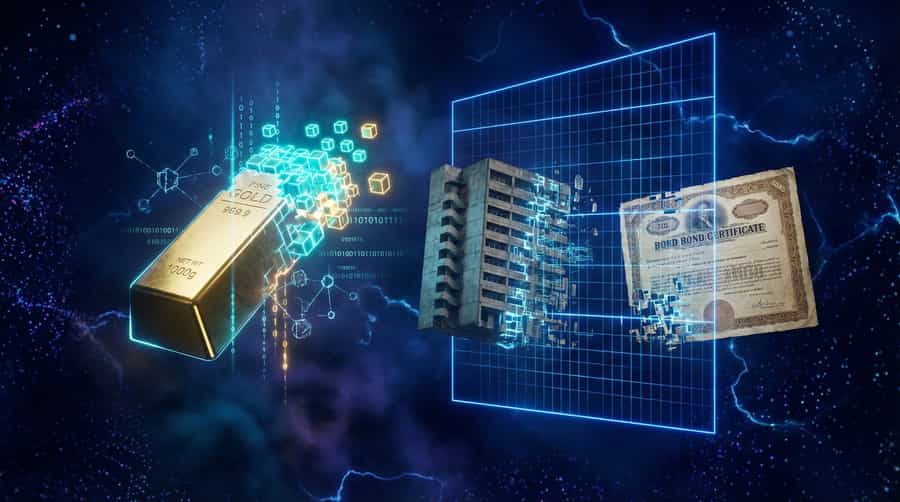
From private credit to carbon credits, tokenization is reimagining how we access real-world assets. But that doesn’t mean it’s friction-free — which is exactly why AuResources built its system on bailment, not hype.
Introduction: Why Tokenization Is Having Its Moment
The promise of "real-world assets" (RWAs) on-chain has grown from an experiment into a market worth over $24 billion in 2025.
Gold isn’t alone. Across commodities, debt, real estate, and ESG assets, institutions and protocols are finding ways to bridge real-world value with blockchain-based efficiency.
But the headline here isn’t "magic." It’s infrastructure — and compliance.
At AuResources, we’re part of this shift — but also deeply aware that putting an asset on-chain doesn’t make it deliverable, verifiable, or even legally yours.
That’s why we chose bailment, not marketing fiction.
What’s Getting Tokenized (and Why)?


1. Real Estate
Fractionalized residential and commercial property shares.
Allows small investors to access income-generating real estate.
Examples: RealT, Lofty.
2. Private Credit & Treasury Markets
On-chain corporate loans, trade finance, even US treasuries.
Use case: yield access, efficient settlement, DeFi integrations.
Examples: Centrifuge, Ondo Finance, Maple.
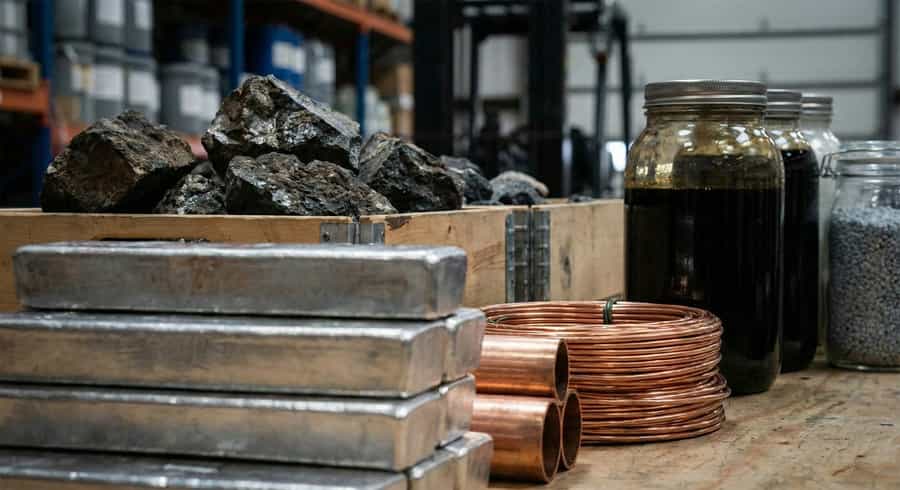
3. Commodities (Beyond Gold)
Industrial metals (e.g. silver, copper), rare earths, oil derivatives.
Challenges: verification, warehousing, delivery guarantees.
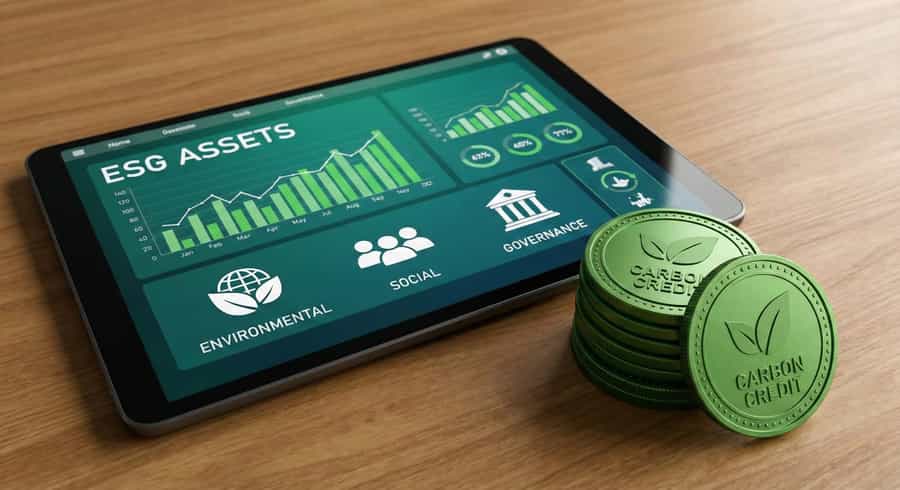
4. Carbon Credits & ESG Assets
Tokenized carbon offsets and green bonds.
Use case: traceability, transparency, climate-aligned capital.
Examples: Toucan, Celo Climate Collective.
5. Investment Funds & Securities
Tokenized ETFs or fund shares.
Use case: borderless access, 24/7 trading, programmable governance.
📊 Market Growth:
Tokenized RWAs surged from ~$5B in 2022 to ~$24B by 2025. Analysts predict multi-trillion-dollar growth this decade.
What Tokenization Actually Enables
But tokenization doesn’t eliminate the core problems of real-world ownership: who holds it, who guarantees it, and how do you get it.
Real-World Friction Never Left
Blockchain isn’t a vault. And it certainly isn’t a legal contract.
Many early RWA attempts failed because they didn’t back tokens with clear legal rights, enforceable claims, or actual custody structures. Just digitizing something doesn’t make it trustworthy.
That’s why AuResources uses bailment.
Why We Use Bailment: Legal Infrastructure for Delivery Rights
We don’t say "1 token = 1g of gold" without backing it.
With our Swiss bailment framework, PGF and AURG holders retain beneficial ownership once the gold is refined and allocated.
AuResources coordinates storage and delivery.
We never own the gold.
Ownership stays with the token holder (the Bailor), even while it's held by sub-bailees.
This framework ensures that tokenization isn’t just symbolic — it’s enforceable.
Token Fluidity, Real-World Foundations
The power of tokenization is fluidity — movement, composability, integration.
But the value still comes from real-world rights, physical assets, and legal clarity.
Our approach: let tokens move fast — but anchor them to gold that exists, can be delivered, and is legally yours.
Closing: The Tokenized Future Belongs to the Structured
Tokenization is not just about digital wrappers — it’s about redefining access to real assets with clarity and confidence.
The next wave of RWA innovation won’t be driven by hype. It will be driven by trustable structures.
That’s why we built AuResources the way we did. Because tokens are powerful. But ownership is everything.
Explore our ecosystem: dapp.auresources.io/market
Delivery-backed. Bailment-secured. Blockchain-accessible.
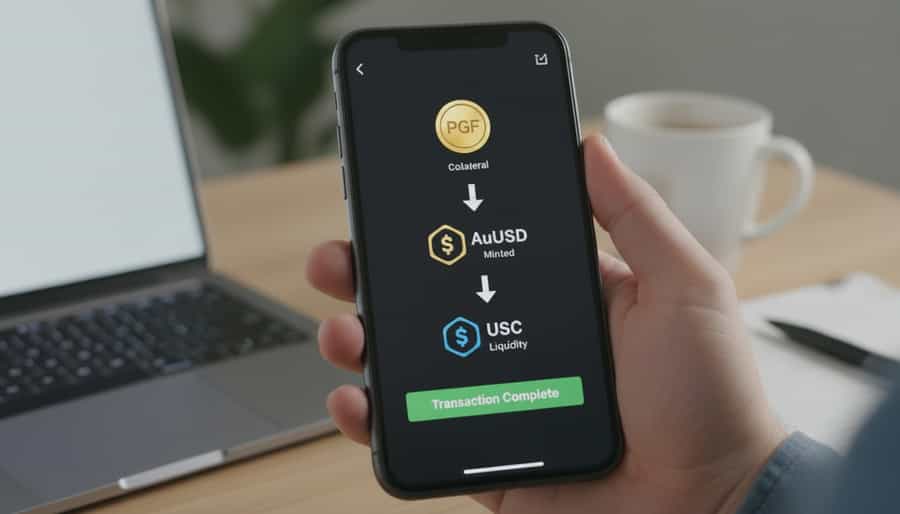
Collateral, Not Speculation: Understanding AuUSD in a Volatile Financial Landscape
Most stablecoins promise price stability, but very few offer real asset backing that can be verified and redeemed. In the AuResources ecosystem, AuUSD is more than a tokenized dollar substitute — it's a tool for liquidity, built on a foundation of real gold ownership. AuUSD allows holders of tokenized gold rights — like PGF or AURG — to borrow against their assets without selling them, unlocking capital in a system designed for responsible financial flexibility — not speculation. This post explains how AuUSD works, what makes it unique, and why it's a critical part of the AuResources digital gold infrastructure — not just for digital asset users, but for anyone looking toward the future of sound, asset-based finance.